
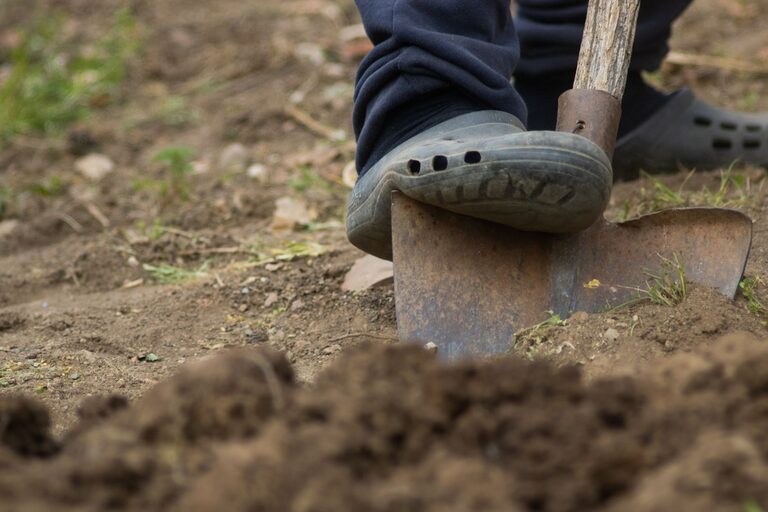
Gardening is more than planting seeds and watering flowers. Many garden tasks naturally involve walking, bending, lifting, carrying, reaching, and digging. By choosing projects that require regular hands-on work, you can create a beautiful outdoor space while staying active throughout the season.
The best part is that you do not need a large yard or special equipment. A few containers, a small garden bed, or a simple path can provide plenty of opportunities to move. Here are several practical gardening projects that turn outdoor chores into an engaging routine.
Build a Raised Garden Bed
A raised garden bed is a useful project for growing vegetables, herbs, or flowers. Building one involves measuring, carrying materials, positioning boards, filling the bed with soil, and planting.
Choose a location that receives the amount of sunlight your plants need. A simple rectangular bed can be made from untreated lumber, stones, or other garden-safe materials.
Steps to get started
- Measure and mark the space for the bed.
- Clear grass, weeds, and debris from the area.
- Assemble the frame or arrange the border materials.
- Add soil and compost in manageable amounts.
- Rake the surface smooth.
- Plant seeds or young plants in rows.
Once the bed is finished, it will continue to keep you moving. Weeding, watering, mulching, pruning, and harvesting all require regular attention. Planting several crops with different harvest times can make the bed a project that stays active for months.
Create a Gravel or Stepping-Stone Path
A garden path adds structure and makes it easier to reach plants, tools, and seating areas. Building one is also a hands-on project that may include clearing ground, moving stones, spreading gravel, and smoothing the surface.
Start by choosing a route that connects useful areas of the yard. For example, a path might lead from the back door to a vegetable bed, compost bin, or shed.
Materials to consider
– Gravel
– Flat stepping stones
– Landscape fabric
– Hand tools
– A rake
– A wheelbarrow
– Edging materials
Mark the path with stakes or garden hose. Remove weeds and loose soil, then place landscape fabric if desired. Add edging to help contain the gravel, or set stones at regular intervals for a more defined walkway.
This project can be completed in sections. Working on one small area at a time makes it easier to manage materials and keeps the process enjoyable rather than overwhelming.
Plant a Pollinator Garden
A pollinator garden can add color, texture, and seasonal interest to your yard. It can also be designed as an active project that includes soil preparation, planting, watering, labeling, and ongoing maintenance.
Choose a mix of flowers that bloom at different times. Native plants are often a good choice because they are suited to local growing conditions. Include plants with different heights and shapes to create a layered design.
A simple planting plan
– Tall flowers for the back of the bed
– Medium-height plants for the center
– Low-growing flowers along the edges
– Herbs or ground covers to fill open spaces
Preparing the area may involve removing sod, loosening soil, adding compost, and carrying plants from one spot to another. After planting, regular deadheading, weeding, watering, and trimming will keep you returning to the garden.
Add plant labels or a small sign to make the space more personal. You can also keep a simple bloom calendar to track which flowers are active throughout the year.
Start a Compost Station
A compost station is a practical addition to a garden and a project that encourages frequent outdoor tasks. You can compost leaves, grass clippings, plant trimmings, and many fruit and vegetable scraps.
A basic compost area can be made with a bin, wire enclosure, wooden slats, or a purchased container. Place it somewhere convenient so you will be more likely to use it.
Ongoing compost tasks
– Collect suitable kitchen scraps
– Carry leaves and yard waste to the bin
– Add dry and fresh materials in layers
– Turn or mix the pile
– Check the moisture level
– Remove finished compost for garden use
Turning compost with a garden fork requires repeated movement and gives you a reason to visit the station regularly. When the compost is ready, spread it around plants or mix it into new garden beds.
Grow a Container Garden
Container gardening is a flexible option for patios, balconies, porches, and small yards. It also creates many small projects instead of one large task.
You can grow herbs, salad greens, tomatoes, peppers, flowers, or compact fruit plants in containers. Use pots of different sizes and arrange them in groups that are easy to reach.
Make container gardening more active
– Move pots to improve sunlight exposure
– Carry bags of potting mix in small amounts
– Refresh soil between growing seasons
– Rotate plants for even growth
– Water containers individually
– Prune and harvest regularly
Choose containers with drainage holes, and avoid placing heavy pots where they will be difficult to move. Lightweight containers can make seasonal rearranging easier.
A container garden is especially useful for gardeners who enjoy changing the layout. You can create a new arrangement each season or move pots to highlight a favorite area.
Build a Vertical Garden
A vertical garden adds growing space without taking up much ground area. It can be made with a trellis, wall-mounted planters, hanging baskets, or a freestanding frame.
Climbing plants such as beans, peas, cucumbers, and flowering vines can be trained upward. You can also use pockets or shelves for herbs and small flowers.
Building and maintaining a vertical garden involves measuring, attaching supports, filling planters, lifting containers, and guiding plants as they grow. Check the structure regularly to make sure it remains stable.
Design tips
– Place the garden where plants receive suitable light.
– Use strong supports for heavier crops.
– Leave room to walk around the structure.
– Group plants with similar water needs.
– Add ties or clips as vines grow.
A vertical garden changes over time, so it provides a reason to keep adjusting, tying, trimming, and harvesting.
Make a Garden Seating Area
A seating area can become the center of a garden while still involving plenty of work to create. Clear a section of ground, level the surface, and add pavers, gravel, mulch, or outdoor flooring.
You can place a bench, chair, or small table in the area. Surround it with potted plants, flower beds, or low-maintenance shrubs.
This project may include moving materials, planting borders, spreading mulch, and arranging outdoor furniture. Once complete, the seating area can also serve as a planning spot where you organize seeds, tools, and future projects.
Plan a Weekly Garden Routine
The key to staying active in the garden is to divide larger projects into manageable tasks. Instead of trying to complete everything in one day, create a simple weekly routine.
Example schedule
– Monday: Weed one garden bed
– Tuesday: Water containers and check plant supports
– Wednesday: Harvest herbs or vegetables
– Thursday: Turn compost and collect leaves
– Friday: Prune, deadhead, or trim plants
– Saturday: Work on a larger improvement
– Sunday: Walk through the garden and plan the next week
Use tools that fit comfortably in your hands, wear suitable outdoor clothing, and take breaks when needed. Keep frequently used tools in a nearby container so you spend less time searching and more time working.
Gardening projects can make outdoor time more purposeful and enjoyable. Whether you build a raised bed, create a path, or care for a collection of containers, each project offers a natural reason to walk, dig, carry, reach, and tend to your surroundings. Start with one manageable idea, then let your garden grow into a space that keeps you moving all season long.