
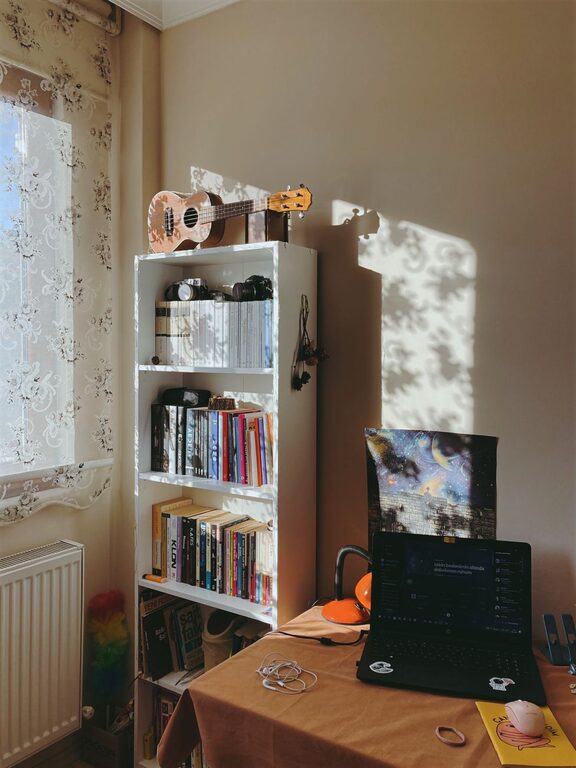
A comfortable home workspace can make hobbies and learning more enjoyable, practical, and consistent. Whether you enjoy drawing, writing, crafting, reading, playing music, studying, or building small projects, a well-planned area helps you stay focused while keeping supplies easy to find.
You do not need a large room or expensive furniture to create a useful workspace. With a thoughtful layout, good lighting, and a few simple organizing habits, you can turn a corner of a bedroom, living room, or spare room into a place that supports your interests.
Choose the Right Location
Start by looking for a location that fits the way you plan to use the space. A desk near a window may work well for reading, writing, or crafts that benefit from natural light. A quieter corner may be better for online courses, music practice, or detailed projects.
Consider these factors when choosing a location:
– Available floor space
– Access to electrical outlets
– Natural and artificial lighting
– Noise levels
– Nearby storage
– Distance from household distractions
– Ease of cleaning
If you share your home with others, choose a location that offers some separation from busy areas. You may not need complete silence, but reducing interruptions can make it easier to concentrate.
For a workspace that serves multiple purposes, choose an area that can be packed away or adjusted. A small desk, folding table, or rolling cart can provide flexibility without permanently changing the room.
Select Furniture for Comfort and Flexibility
The desk and chair are the main parts of most workspaces, so choose them with comfort in mind. The desk should provide enough room for your primary activity, along with space for tools, books, or a laptop.
A compact desk may be enough for reading and writing, while creative hobbies may require a wider surface. If you work with materials such as paper, fabric, paint, or small parts, a table with a durable surface can be especially useful.
When choosing a chair, look for one that allows you to sit comfortably while keeping your feet supported. Your shoulders should be relaxed, and your arms should rest naturally when you use a keyboard, notebook, or craft tools.
You can also improve an existing chair with a supportive cushion or a small footrest. Comfort does not always require buying new furniture. Simple adjustments can make a noticeable difference.
Consider furniture that serves more than one purpose, such as:
– A desk with drawers
– A table with adjustable height
– A storage bench
– A rolling cart
– Wall shelves
– A folding table
– Stackable storage boxes
Flexible furniture is useful when your workspace must also function as a guest area, dining area, or family room.
Plan the Layout Around Your Activities
Before placing everything on the desk, think about how you move through each activity. Keep the items you use most often within easy reach. Store occasional-use supplies farther away or in labeled containers.
For example, a writing and learning setup might include a laptop, notebook, pens, headphones, and reference books. A craft area may need cutting tools, adhesives, paper, brushes, and containers for small supplies.
Divide the workspace into simple zones:
Primary Work Zone
This is the area directly in front of you. Keep it as clear as possible so you have room to read, type, sketch, or build.
Supply Zone
Place frequently used materials in drawers, trays, or containers beside the work surface. Open bins can be useful for items that need to be accessed quickly.
Reference Zone
Use a shelf, book stand, or wall organizer for books, instructions, notes, and project guides. Keeping reference materials upright can save desk space.
Finished Project Zone
Create a small area for completed work or projects in progress. A folder, shallow box, or shelf can prevent unfinished materials from spreading across the room.
A well-planned layout reduces unnecessary movement and makes it easier to begin a task.
Improve Lighting
Good lighting supports both comfort and accuracy. Natural light is helpful during the day, but it may not be available at all times. Add a desk lamp or adjustable floor lamp so your workspace remains useful in the evening.
Choose lighting based on your activities. A focused lamp is helpful for reading, drawing, sewing, model building, and other detailed tasks. A softer light may be more comfortable for journaling, casual reading, or listening to lessons.
Place lamps carefully to reduce shadows. If you are right-handed, a lamp positioned to the left may help limit shadows from your writing hand. If you are left-handed, the opposite arrangement may work better.
Avoid placing a bright light directly behind a screen, as reflections can make viewing more difficult. Adjust the lamp angle and screen position until the workspace feels clear and comfortable.
Keep Supplies Organized
Organization makes it easier to return to a hobby or lesson because less time is spent searching for materials. Use storage that matches the size and type of your supplies.
Helpful options include:
– Small boxes for tools
– Divided trays for accessories
– Folders for papers
– Jars for pens and brushes
– Shelves for books
– Clear containers for project materials
– Labels for shared storage
Group similar items together and give each group a consistent home. For example, keep writing materials in one container, electronic accessories in another, and unfinished projects in a separate folder or box.
Do not aim for perfect organization. The best system is one that is easy to maintain. If putting an item away takes too many steps, the system may not work well for everyday use.
Add Personal Comfort
A workspace should be practical, but it can also reflect your interests. Add a few personal details that make the area inviting without creating clutter. You might display a favorite print, keep a small plant nearby, or use colors that help the space feel pleasant.
Pay attention to the room’s temperature and airflow. If the area becomes too warm, a fan or adjustable window covering may help. If it feels cold, a comfortable layer of clothing or a small rug may make the space more welcoming.
Keep water nearby, and take regular breaks during longer sessions. Standing up, moving around, and changing your focus can help you return to your activity feeling refreshed.
Reduce Distractions
A workspace does not need to be completely isolated, but reducing distractions can improve your experience. Keep unrelated items off the desk, silence unnecessary alerts, and decide where your phone will go during focused sessions.
If noise is a concern, consider headphones, soft background sounds, or a door sign that indicates when you are working. For shared spaces, a simple routine can help others understand when you need uninterrupted time.
You may also find it helpful to set a clear start and finish point. For example, begin by preparing your materials and end by returning supplies to their storage locations. These small habits make the workspace easier to use the next time.
Make the Workspace Easy to Change
Your interests may change over time, so avoid designing a space that supports only one activity. Use movable storage, adjustable shelves, and clear surfaces that can be rearranged.
A learning area can become a drawing station, writing desk, or small repair table with a few changes. Keep the basic setup consistent, but store specialized supplies separately. This gives you flexibility while preventing the workspace from becoming crowded.
Review the area every few months. Remove items you no longer use, repair damaged storage, and adjust the layout based on your current projects.
Create a Space You Will Want to Use
The best home workspace is not necessarily the largest or most stylish. It is a space that feels comfortable, supports your activities, and makes it simple to get started.
Choose a practical location, provide suitable lighting, organize supplies, and add a few personal touches. With these steps, even a small corner can become a reliable place for hobbies, learning, creativity, and quiet focus.